
Plots in Cadiz - buy, sell or rent easily

Find plots by category in Cadiz (Province)


Plots for sale with most wanted features
- Urban 22
- Developable 22
- Non developable 28


Latest publications of land and houses for sale in Cadiz (Province)







Where to buy land in Cádiz
The average price of urban land here is one of the highest in Andalusia, above the regional average. The cheapest land for sale in the province of Cádiz is spread fairly widely across the territory, mainly in the central area and to the north and south of the main cities, such as the capital and Jerez de la Frontera. The municipalities with the cheapest plots, lots and estates are Olvera, Sanlúcar de Barrameda and Santa Lucía. Other towns with low average prices are Ubrique, Prado del Rey, Jerez de la Frontera and Chiclana de la Frontera.
The highest plot prices are found in El Puerto de Santa María, one of the most popular tourist towns in the country. It is followed by Algeciras, Algodonales, San Enrique, Arcos de la Frontera and Pinar de los Guisos. Developable land follows a somewhat different pattern from urban land, as it is mostly concentrated on the southern coast of the province. Rural estates for sale are more affordable than any other land classification in the province.
An international high-tech industry
The province of Cádiz lies in the south of Andalusia, with a population of more than 1,200,000 and an area of 7,435.85 km².
Tourism and the service sector play an important role in the region's economy, followed by industry, which is an international benchmark in many of its fields. Next come construction and, finally, agriculture and livestock.
Industry plays a very important role in the development of this province. It also offers a large supply of industrial land, with more than 120 industrial estates spread across the territory. Its transport network makes it an ideal place to set up a business. Likewise, its technology parks are ideal for companies committed to innovation and research. Prices can vary greatly depending on location, both for the sale of urban land and for rentals.
Its activities include the construction of high-tech ships, which has made it a national and international benchmark. Next comes the petrochemical industry, with large refineries and business associations that invest in R&D. Metallurgy is not far behind and carries great weight in the Andalusian economy. Then there is aerospace manufacturing, with an integrated supply chain producing civil aviation parts for international programmes. These activities are complemented by the port industry, a leader in passenger and freight traffic, and by globally interconnected logistics.
Its climate also makes it well suited to renewable energy, especially wind power (wind speeds of over 7.5 m/s at its 32 wind farms) and solar photovoltaics (with more than 3,000 hours of sunshine a year).
Primary production has given rise to a strong agri-food sector, joined by innovative, technology-driven aquaculture.
A high-quality native primary sector
Agricultural land here is among the most affordable in Andalusia. The most expensive farmland in the province is irrigated open-air vegetable land, followed by irrigated arable land and rain-fed vineyards for wine production.
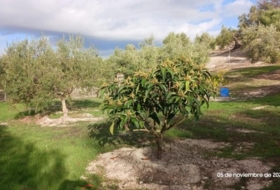
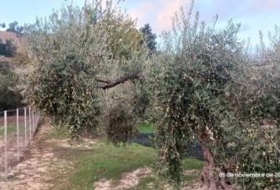
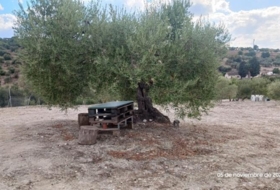
Farmland covers 40% of the area. The Campiña de Cádiz is the part of the province with the most cropland. Herbaceous crops are the most important, led by wheat, followed by sunflower, sugar beet, cotton, oats, maize and barley. Among woody crops, the most representative is the olive grove (in the Sierra de Cádiz), followed by the vineyard (in the Campiña de Jerez).
Forest land covers 26% of the province. The vegetation is Mediterranean, differing between the coast and the mountains. There are forests of stone pine, broom and eucalyptus, as well as holm oaks, carob trees, oaks and Spanish firs (in the Sierra de Grazalema).
The Mediterranean climate, with mild winters and warm summers, is influenced by the Atlantic Ocean, which brings abundant winter rain, especially to the Sierra de Grazalema (over 2,000 mm a year), while summers are almost dry.
Extensive livestock farming is the predominant and most highly valued type in the province, as it respects and cares for the environment. In fact, it is one of the most important in the country. Some districts, such as the Sierra, Campo de Gibraltar and La Janda, depend heavily on it.
Livestock farming relies on native breeds which, despite lower productivity, deliver higher-quality products: Retinta cattle, Iberian pigs, Payoya goats and Grazalema Merino sheep.
Fishing completes the picture, with major ports along the Cádiz coast.
All in all, the primary sector supplies high-quality food products such as salt, pork products, salted fish, dairy and canned goods.
Tourism plays a prominent role in the economy. The climate, together with the wide range of activities and places on offer, such as its natural areas and golden sandy beaches, makes this province a very attractive destination.
Tourism is closely linked to the value of developable land, so the province offers a good investment opportunity. Agricultural land can also be a good opportunity, although prices naturally vary by location. Either way, the competitive advantages of its land as a whole are easy to see.


